Ginkgo Font: A Practical Choice for Elegant Branding
When you’re building a small business, every visual detail contributes to the story you tell your customers. Your brand’s voice isn’t just in your words; it’s in the shapes of the letters you choose. Finding a typeface that feels uniquely yours, yet works reliably across every piece of marketing, packaging, and social content, is a crucial step. For many entrepreneurs, a font like Ginkgo offers a beautiful and practical solution.
The Natural Elegance of Ginkgo
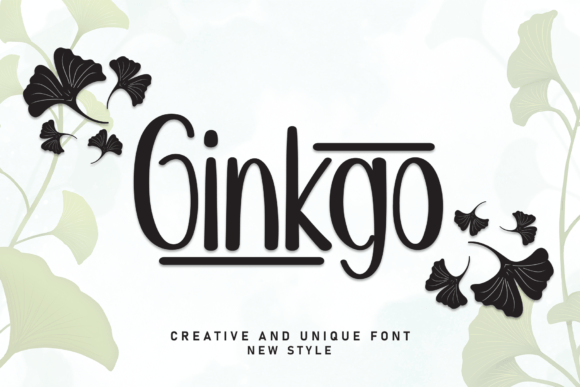
Ginkgo is a script font with a distinct personality. Inspired by the graceful ginkgo tree, it carries organic curves and subtle, leaf-like details in its letterforms. The overall mood is one of tranquility and refined elegance. It doesn’t shout; it suggests. This makes it an excellent choice for brands that want to communicate craftsmanship, natural inspiration, thoughtful care, or a gentle, artistic touch. Think of the feeling you get from a well-designed botanical shop, a serene spa, or a boutique selling handmade goods—Ginkgo can help evoke that same aesthetic.
Applying Ginkgo to Your Real-World Business Materials
The true value of a font like Ginkgo is seen in its application across the many touchpoints your customers encounter. Consistency here builds recognition and trust.
Logos and Core Brand Mark
Ginkgo’s distinctive character makes it a strong candidate for a logo or primary brand mark. Whether used for the full business name or a single elegant word, it can establish your visual identity immediately. For example, a small bakery named “Wildflower Bakes” could use Ginkgo for its logo, instantly connecting its products to a natural, artisanal quality.
Packaging and Product Labels
This is where Ginkgo can truly shine. Printed on a candle label, tea box, soap wrapper, or beauty product bottle, its organic details add a premium, handcrafted feel. The font’s elegance can elevate even simple packaging, helping your product stand out on a shelf or in an online store photo.
Digital Presence and Social Media
Your website banners, Instagram post graphics, Pinterest pins, and digital ad creatives need cohesive typography. Using Ginkgo for headlines or key phrases in these graphics creates a seamless visual thread from your social feed to your online shop. It ensures your brand is memorable even in the fast-scrolling world of social media.
Print Collateral and Customer Experience
Consider your business cards, thank-you notes, simple flyers, café menus, or event posters. Ginkgo can serve as a beautiful display font for titles and headings on these materials. A café using it for its menu section headers, paired with a simple readable font for descriptions, creates an inviting and sophisticated dining experience.
Building a Professional and Consistent Brand
A consistent typeface is a silent ambassador for your business. When customers see the same elegant font on your Instagram story, your product label, and your website’s “About Us” page, they subconsciously register your brand as more professional, organized, and trustworthy. Ginkgo, with its unique yet approachable style, can become that recognizable element. It helps small businesses look polished without needing a massive design budget, because a single, well-chosen design asset like a premium font can be applied everywhere.
Where and How to Use Ginkgo in Your Designs
Ginkgo is best used as a display font. This means it excels in larger sizes where its beautiful details can be appreciated.
- Headlines and Titles: Use it for blog post titles, webpage headers, and poster headlines.
- Logo and Brand Name: As discussed, it’s ideal for creating a distinctive logo.
- Accent Text: Use it for special phrases on packaging, like “Handmade With Care” or a product’s key feature.
For longer blocks of text—like product descriptions on your website, the body text of a menu, or paragraphs in a brochure—Ginkgo would be difficult to read. Its decorative nature is meant for impact, not for lengthy reading.
Practical Considerations for Readability and Testing
Always test your fonts in the contexts where they’ll live. Before committing to Ginkgo for your entire brand, try it out.
- Small Print: Check how it looks on a small product label or tag. Some intricate script fonts can become muddy at tiny sizes.
- Digital Screens: View it on your website header on both desktop and mobile. Ensure it remains clear and legible on different devices.
- Social Media Thumbnails: Create a mock-up Instagram graphic and see if the font is recognizable and appealing in that small, square format.
These simple tests can save you from a branding misstep and ensure Ginkgo performs beautifully across all your materials.
Simple Font Pairing for a Complete Brand System
Since Ginkgo is a decorative script font, it needs a practical partner for body text. Pairing it with a clean, highly readable font creates a balanced and functional typography system for your brand.
- With a Clean Sans Serif: A simple, neutral sans serif font is the most versatile pairing. It provides modern clarity for all your reading text, letting Ginkgo shine as the decorative element.
- With a Readable Serif: For brands wanting a slightly more classic or literary feel, a straightforward serif font can pair well, maintaining readability while complementing Ginkgo’s organic elegance.
The rule is simple: let Ginkgo be the star for short, impactful words, and let a more basic typeface handle the everyday reading work.
A Note on Licensing for Business Use
If you plan to use Ginkgo on physical products, packaging, client work, or digital goods you sell, you must check its commercial font license. Many fonts, including those in the Script Amp category, require a specific commercial license for these uses. This ensures you’re respecting the designer’s work and using the font legally for your business purposes. It’s a fundamental step before integrating any new typeface into your brand identity.
Ginkgo for Specific Business Examples
To visualize its application, imagine Ginkgo in these realistic scenarios.
For a handmade ceramic studio, Ginkgo could grace their logo, website banners announcing new collections, and the delicate tags attached to each pottery piece.
A life coach or wellness practitioner could use it for the titles of their workshop flyers, the cover of their digital guidebooks, and the key headlines on their service website, conveying a sense of calm and personal attention.
An online plant shop might use Ginkgo for their brand name across their Shopify store and for the headers on their beautifully designed care instruction cards included with each plant shipment.
In each case, the font doesn’t just decorate; it reinforces the brand’s core message and values at every customer interaction, building a cohesive and trustworthy identity from the first glance to the final purchase.